Turning ad spend into profitable new customers for DTC brands

Your account isn't short on ads. It's short on concepts that reach new people. Most agencies chase the warm audiences that make the dashboard look good. We go after the ones nobody's talking to, and show you what that's costing you before you pay us anything.

Brands we've worked with

The work01

The ads doing the actual selling

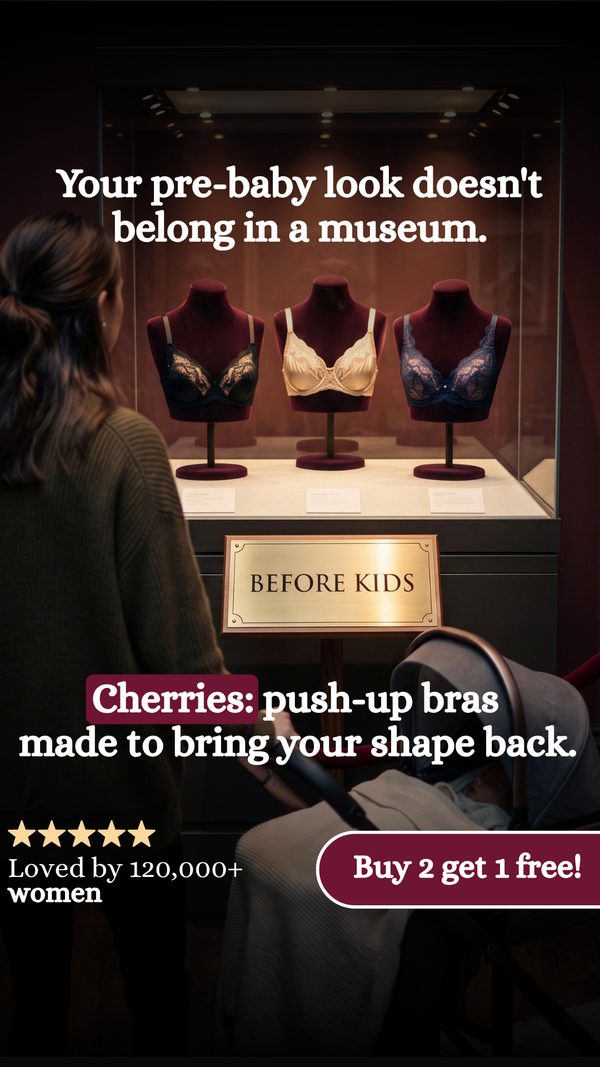
Cherries ad: your pre-baby look doesn't belong in a museum
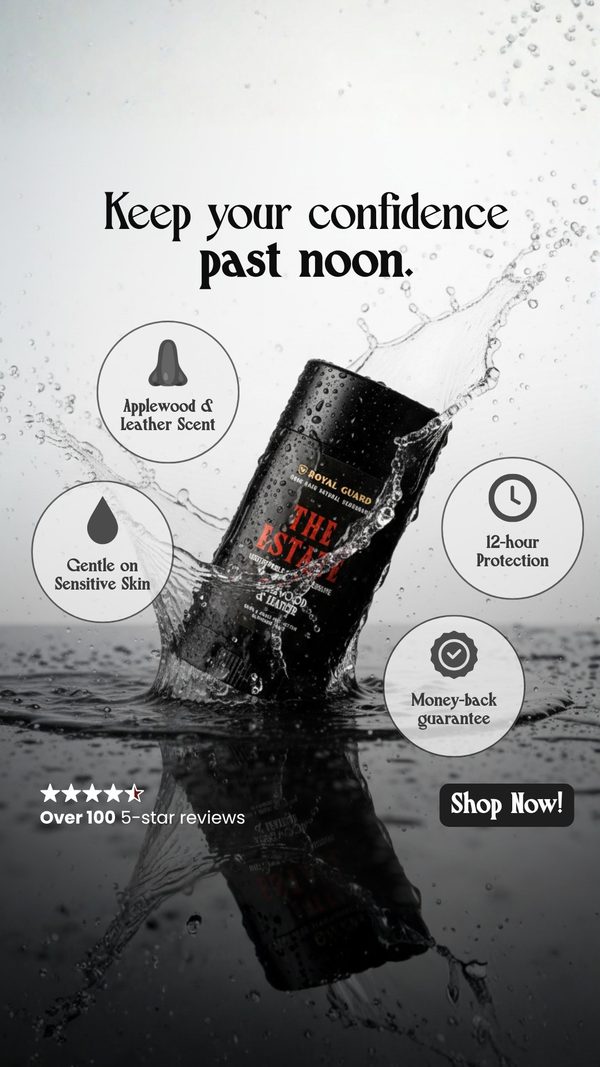
Royal Guard deodorant ad: keep your confidence past noon
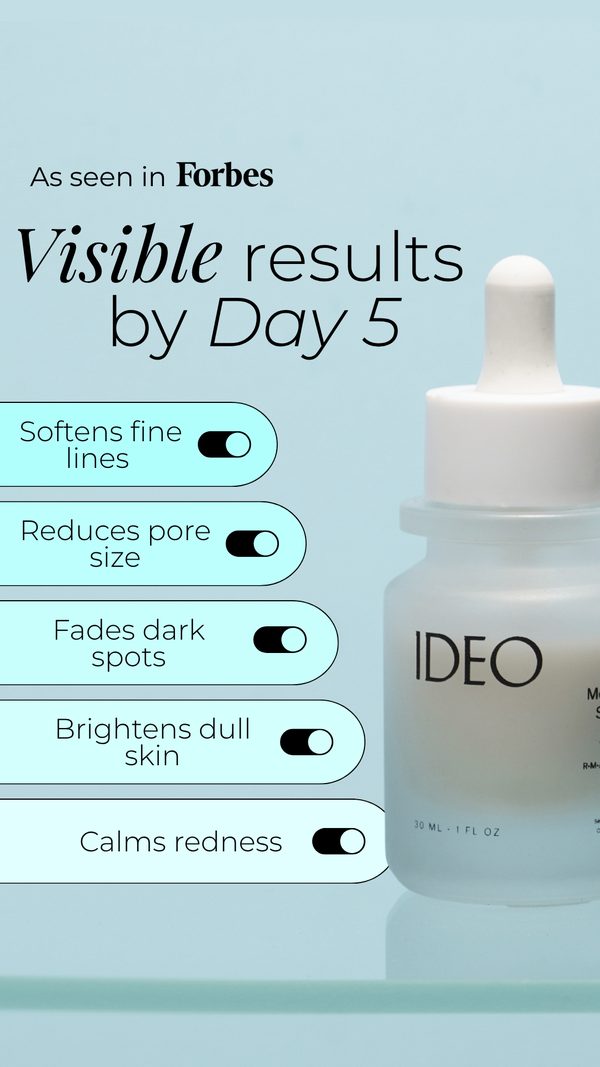
IDEO Skincare ad listing visible results by day five
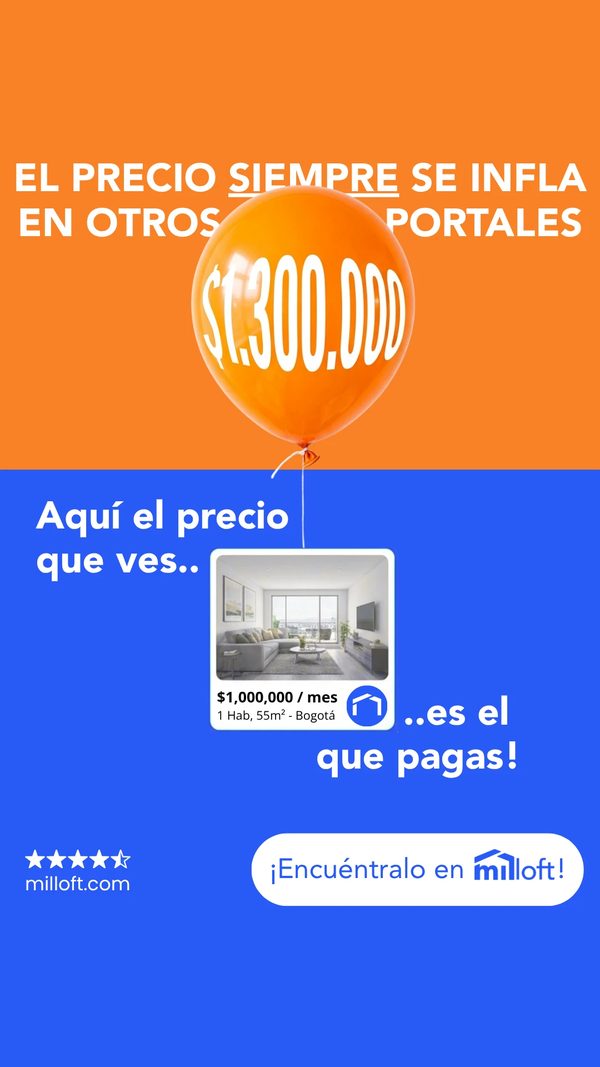
Milloft ad about rental prices inflating on other portals
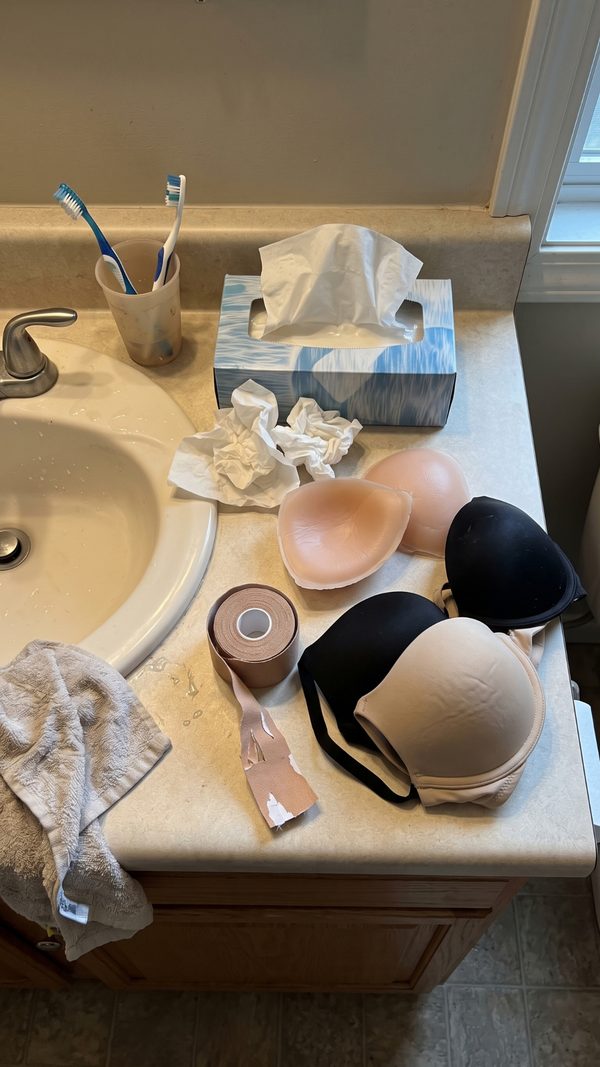
Cherries ad showing the tape and inserts a bathroom counter collects
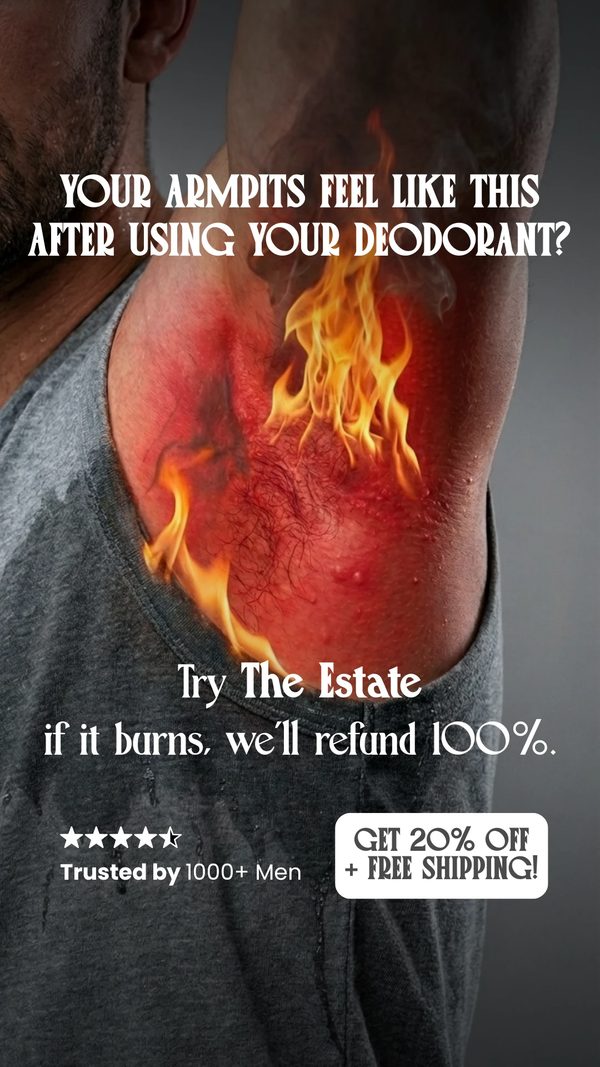
Royal Guard ad about deodorant that burns sensitive skin
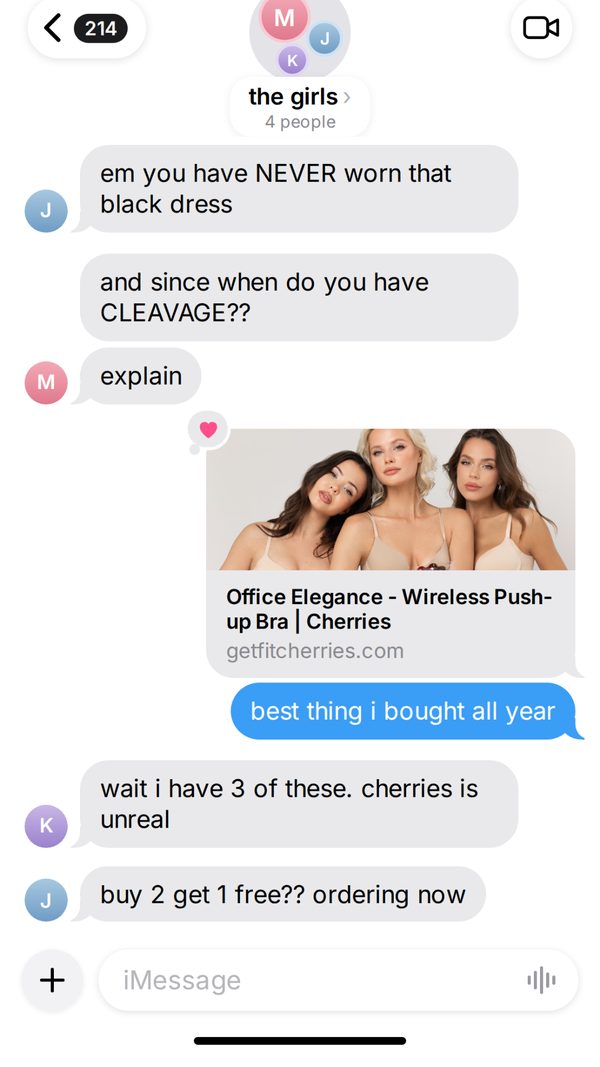
Cherries ad styled as a group chat about the bra
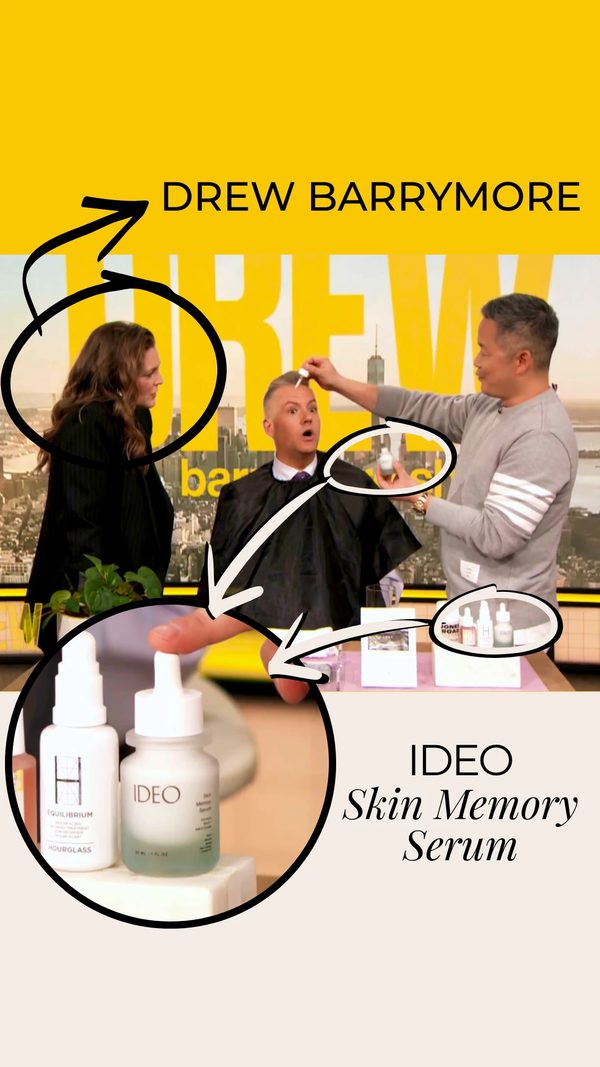
IDEO Skincare featured on the Drew Barrymore show
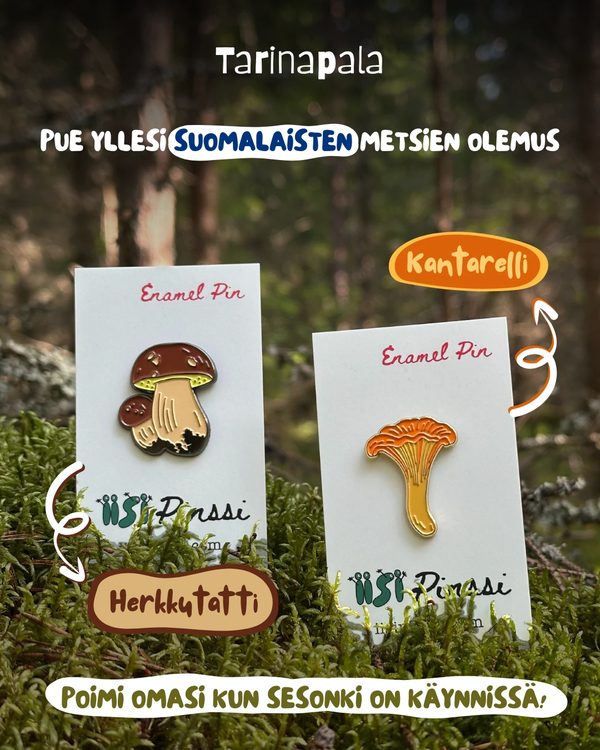
Tarinapala ad for Finnish forest enamel pins
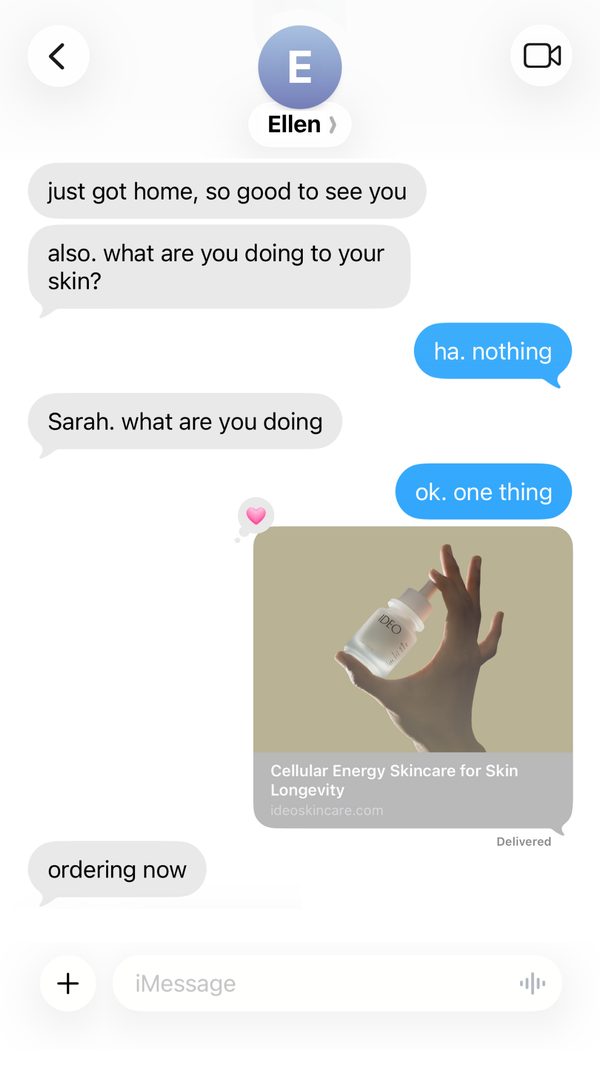
IDEO Skincare ad styled as a text message conversation
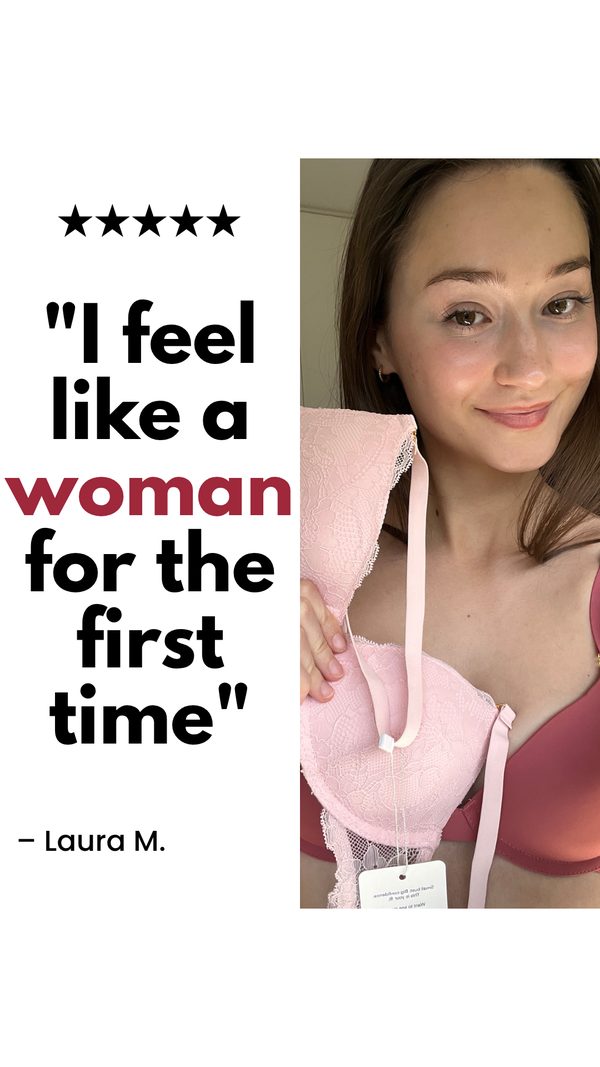
Cherries five star review ad: I feel like a woman for the first time
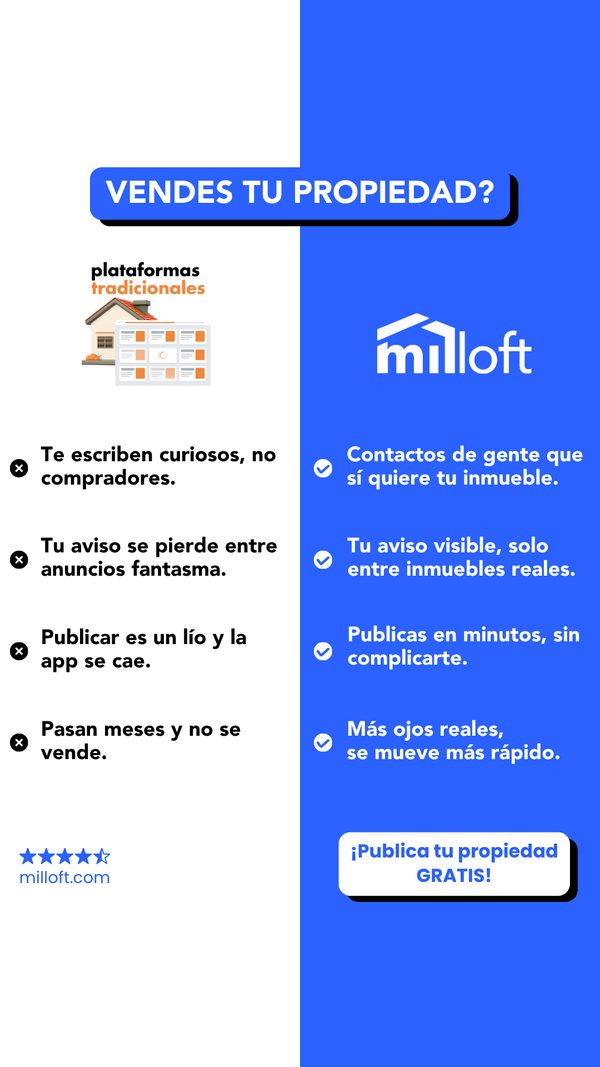
Milloft ad comparing traditional property portals against Milloft
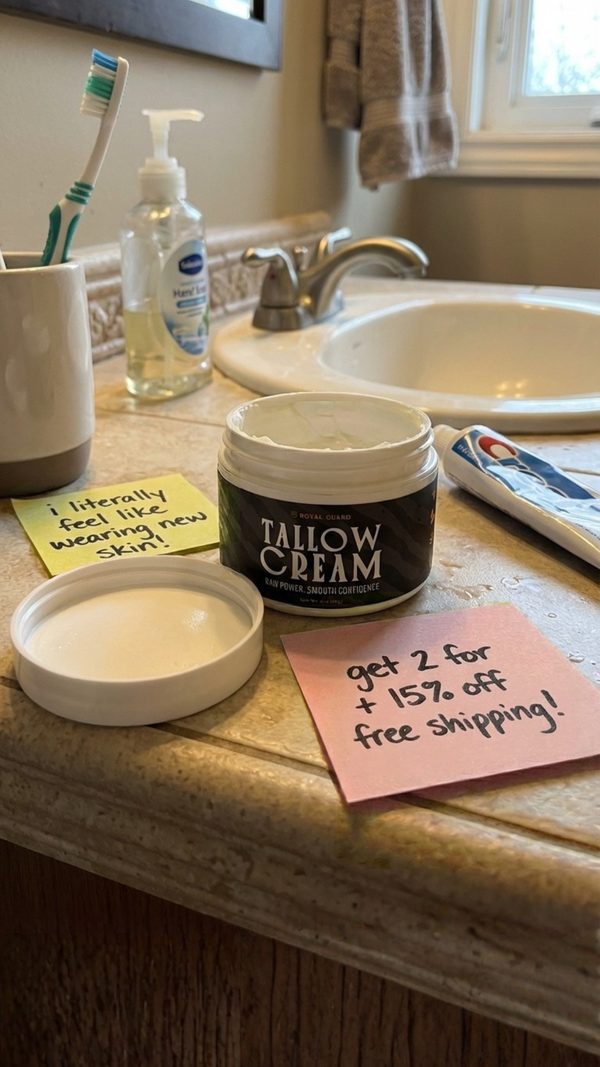
Royal Guard tallow cream on a bathroom counter beside handwritten sticky notes
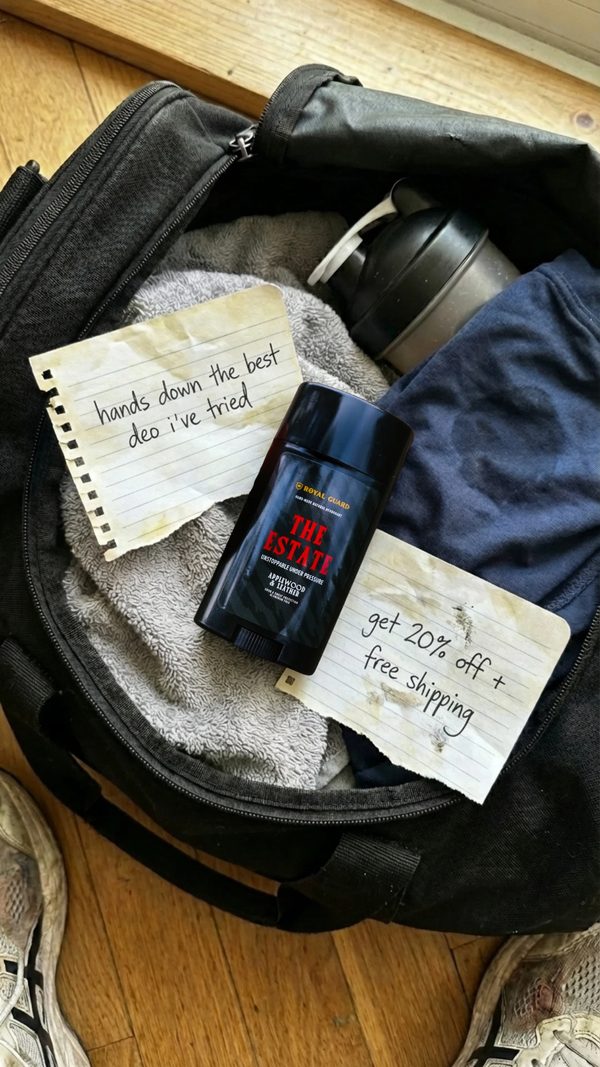
Royal Guard deodorant photographed in a gym bag with handwritten notes
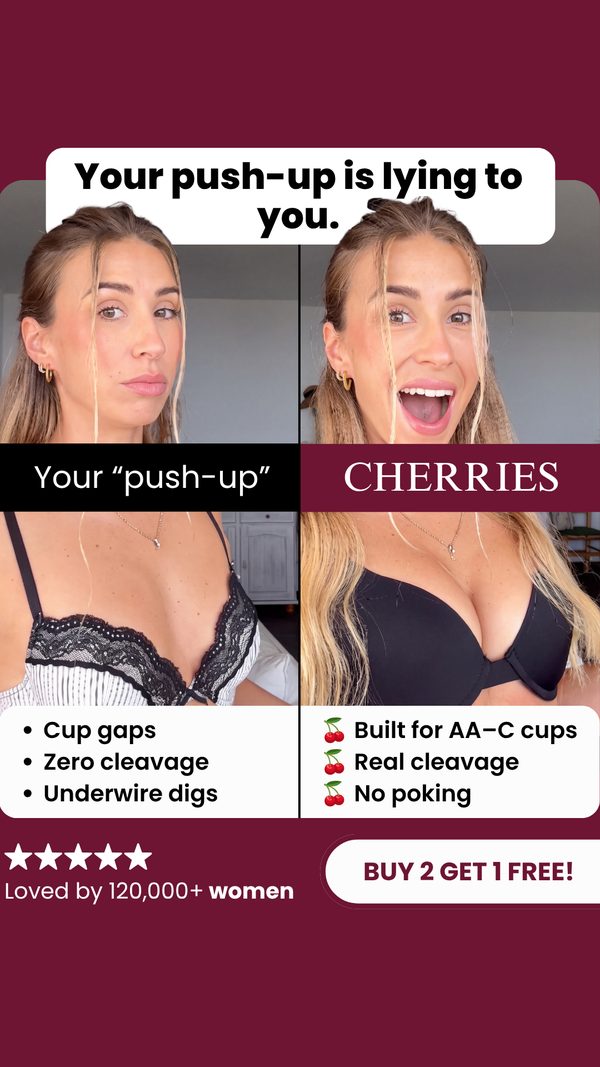
Cherries ad comparing a standard push-up against theirs
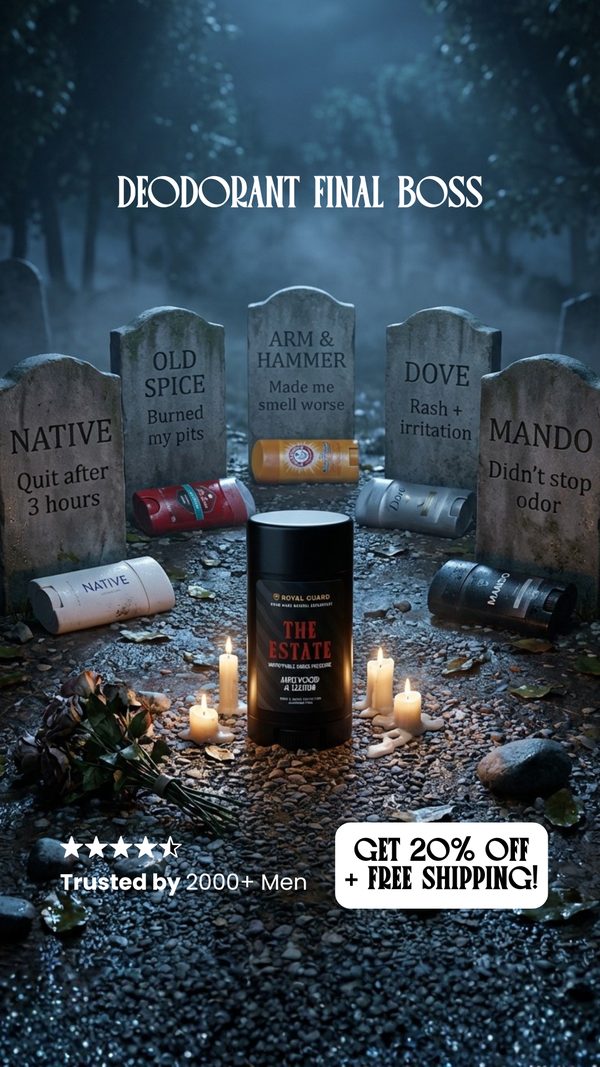
Royal Guard deodorant ad staged as a graveyard of rival brands
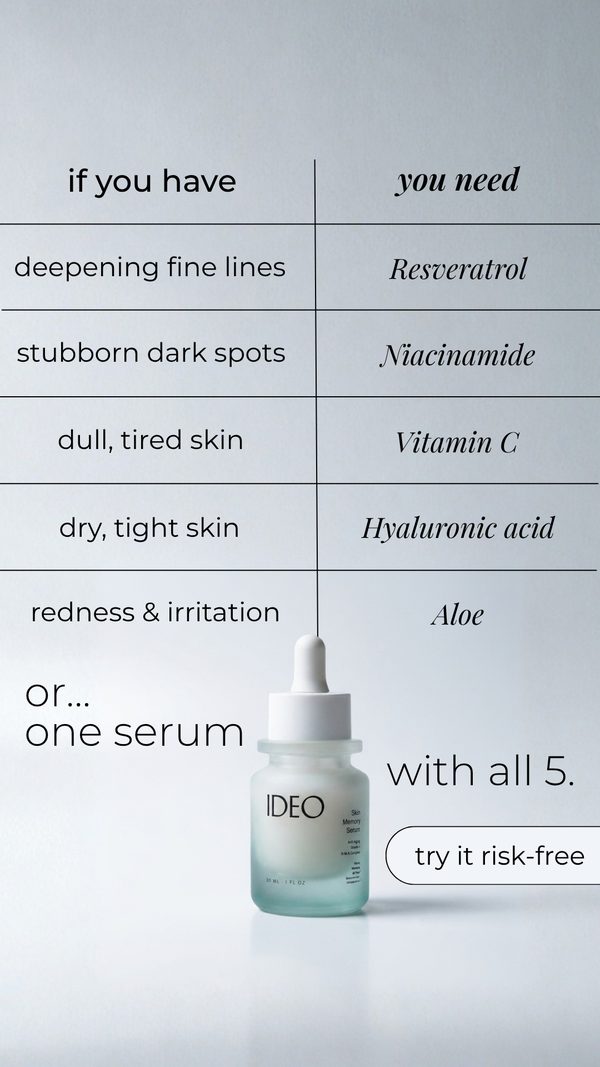
IDEO Skincare ad matching skin concerns to ingredients
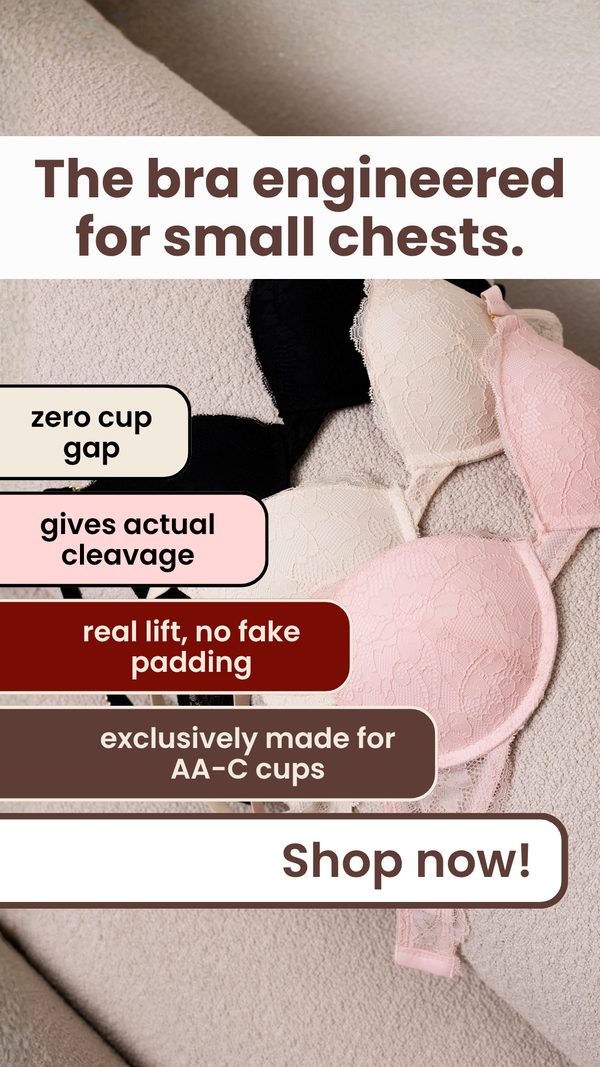
Cherries ad: the bra engineered for small chests
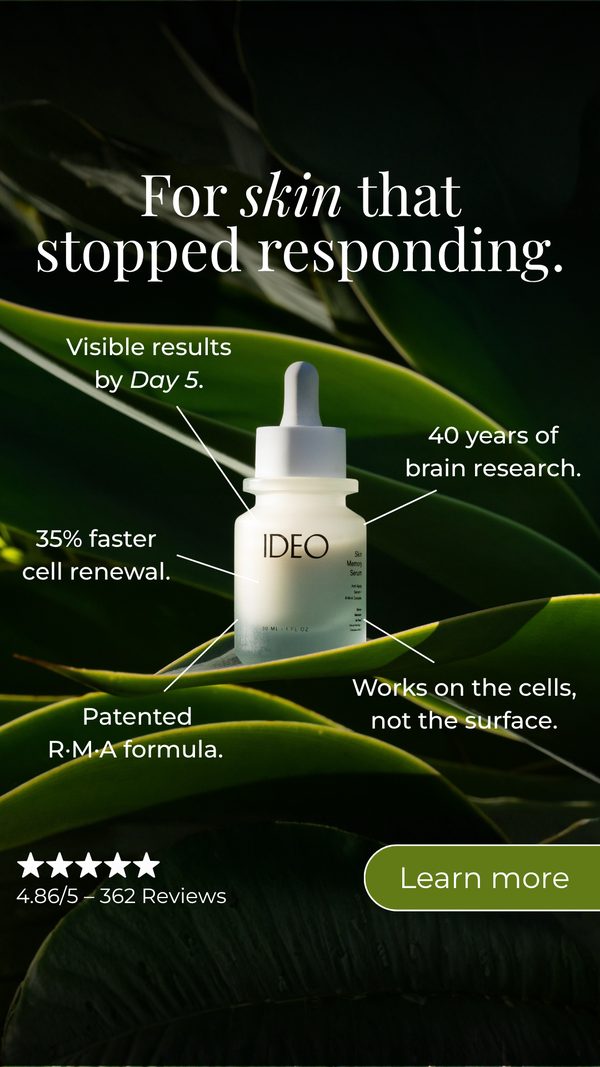
IDEO Skincare serum photographed on dark foliage, for skin that stopped responding
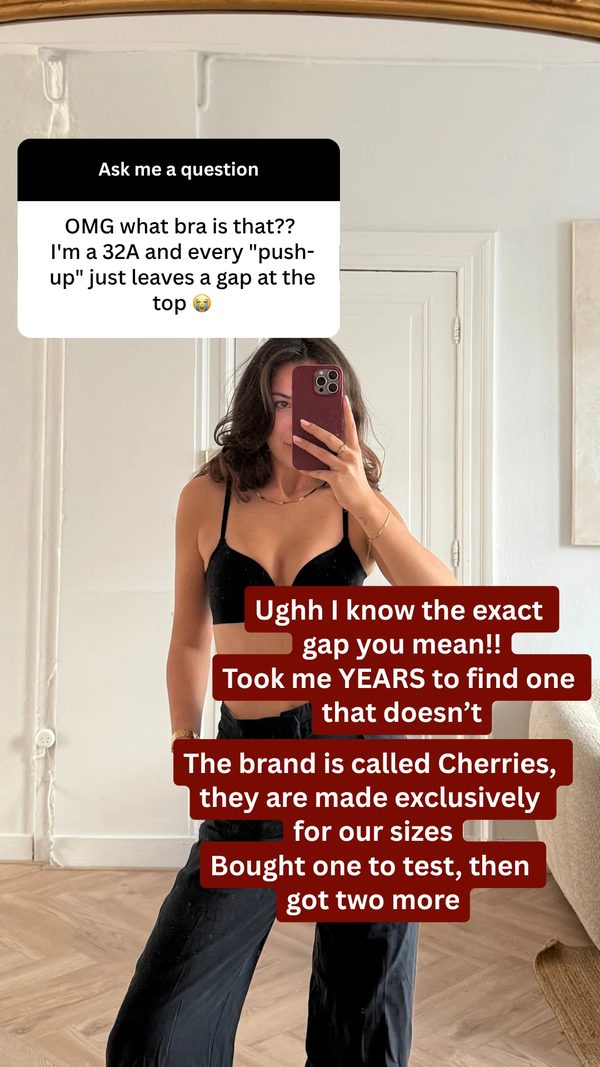
Cherries ad styled as an Instagram story reply about bra fit
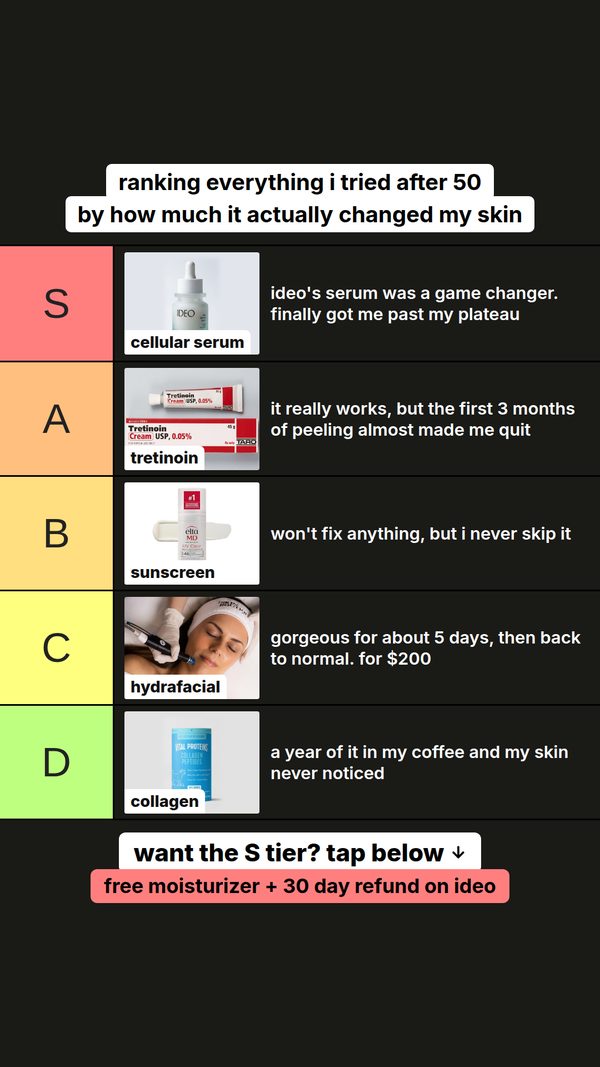
IDEO Skincare ad ranking skincare treatments as a tier list
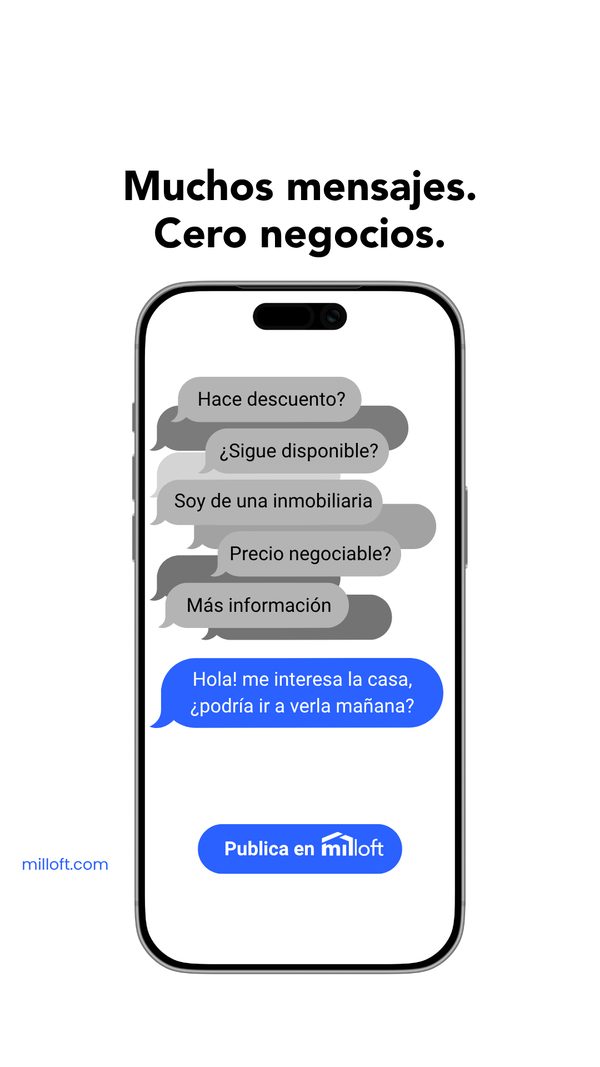
Milloft ad: plenty of messages, no actual buyers
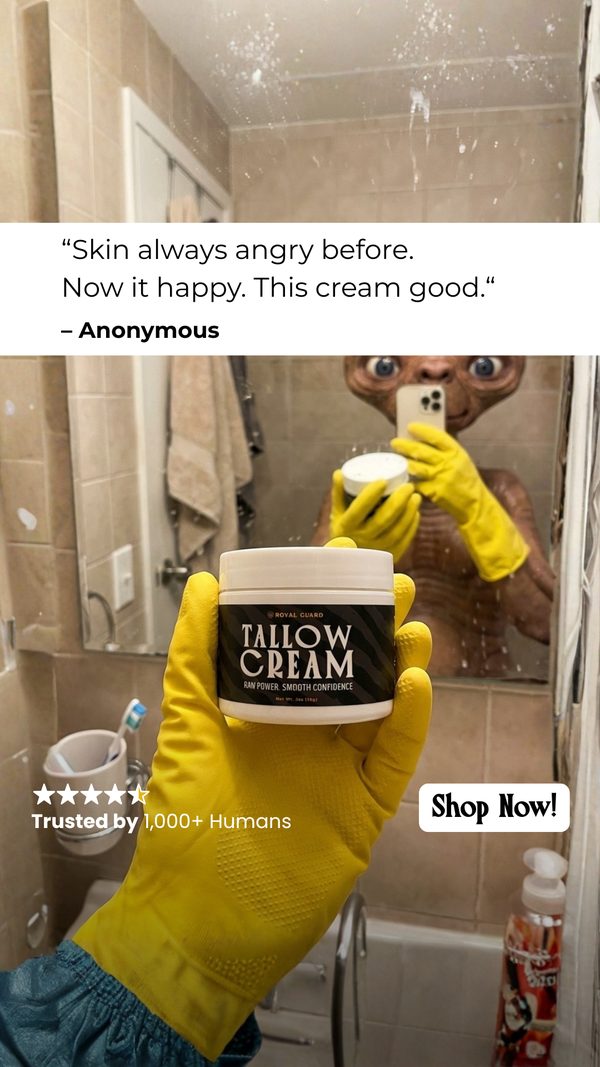
Royal Guard tallow cream review ad with a comic mirror selfie
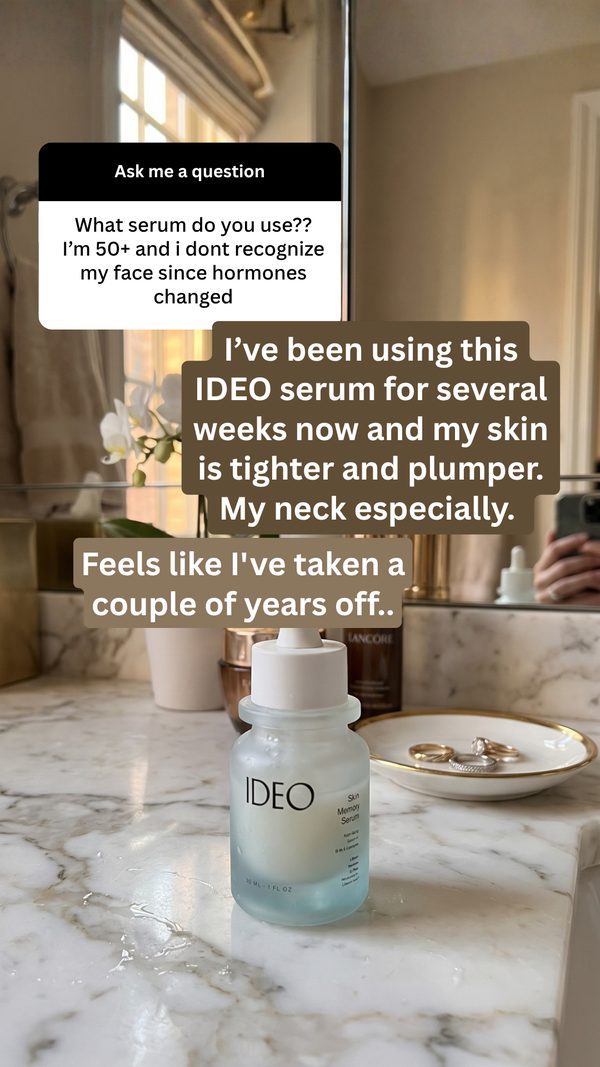
IDEO Skincare ad styled as an Instagram question box reply
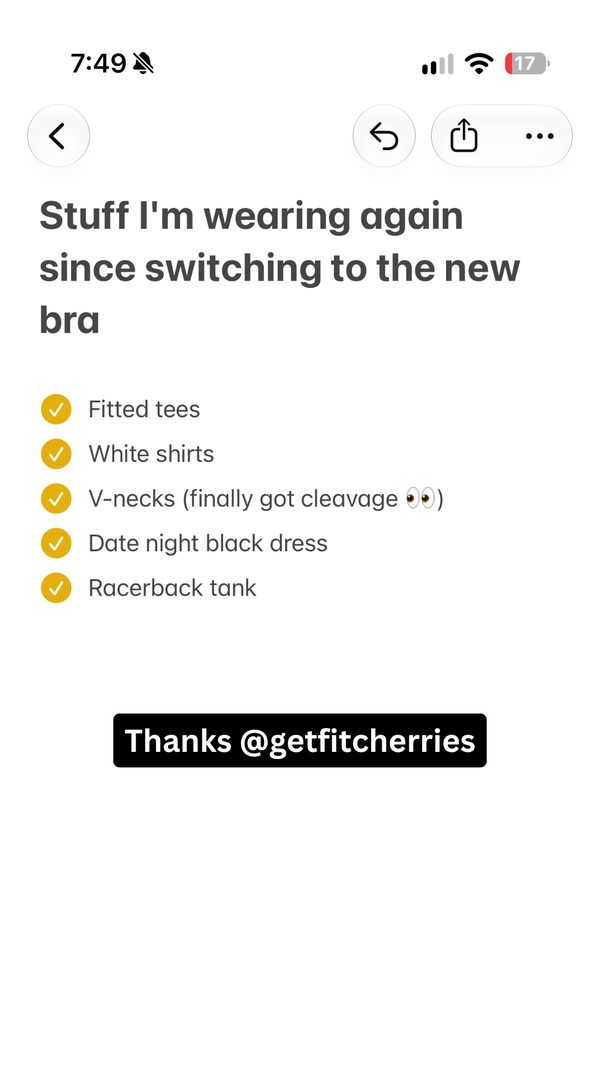
Cherries ad styled as a phone note listing clothes worn again

Why most ads don't work02

Most ads fail for the same three reasons

A

The ad doesn't mean anything

A product shot, a discount and a clean font is not an argument. It looks like an ad, so people treat it like one and keep scrolling. An ad works when it says something true to someone specific, and most brands have never decided who that someone is.

B

It's the same idea, over and over

New hook, new thumbnail, same concept underneath. Meta reads it as what it is, shows it to the people it already showed the last one to, and nothing moves.

C

There's not enough being tested

Two or three ideas a month isn't a testing programme, it's a hope. Winners come from putting enough genuinely different concepts in front of enough genuinely different people that one of them lands.

10 variants of one concept

One pocket of the market, reached ten times.

10 distinct concepts

Ten pockets. Ten groups who have never seen you.

A winner is not luck.

It's what happens when a brand finally says something true to a group of people every competitor has been ignoring. That group was always there, always buying something, just never from you, because nobody had spoken to them yet.

Finding them is the work. Reaching them is what unlocks the next level of growth.

Results03

What changed after we took the account

Royal Guard Co.

+117% increase in AOV

  • 2.2x the purchases on 6% more spend
  • 68% lower cost per acquisition
  • Best order month in a 21-month record

They didn't know who their customer was. The unlock was a single angle inside their ICP: men whose current deodorant burns their skin. We also rebuilt the product page and the pricing so the unit economics could carry paid traffic in the first place.

Tarinapala

64% lower cost per acquisition

  • +75% increase in average order value
  • The offer was the lever, not the targeting

Low order value was capping the return. Bundling two products into one offer made the same traffic profitable, which is why we pressure-test the offer before anything gets made.

Milloft

13.8x more daily spend, at a lower cost per result

  • 20% lower cost per registration while scaling
  • +185% registrations
  • 74% cheaper landing page views

The creative was talking to everyone, and therefore to nobody. We rebuilt the strategy around their real personas and the angles that actually moved each one, and the cost per result fell as the budget rose.

Rella Aesthetics

4.75x on tracked appointments

  • 3 offers tested, not one campaign left running
  • Every appointment tracked across text, call and email

Letting people book the appointment themselves, instead of filling in a lead form and waiting for a callback, is what turned interest into revenue.

Services04

Three keys that make ads work, all under one roof

  • 01

    Performance creative

    Everything before a dollar is spent.

    Research first: your market's sophistication, the personas inside it, and the angles still available to you. Then the offer gets pressure-tested, because no creative outruns weak economics. Then the ads, at enough volume for the account to learn something real.

    Before the click
  • 02

    World-class media buying

    What happens at launch.

    Before anything goes live we work out what a new customer can actually cost you, from margin, AOV and repeat rate. That number is what we buy against. Then clean signal, a structure that doesn't bid against itself, and budget moved to winners in days. The same creative in the hands of someone who doesn't know your economics is a completely different result.

    At the click
  • 03

    High-converting funnels

    Where a lot of performance is quietly lost.

    Not CRO as a line item. If an ad makes a specific promise to a specific person, the page it lands on should continue that conversation instead of restarting it in generic brand language. Landing pages built for the angle that sent the traffic, advertorials where the product needs explaining, listicles where it needs comparing.

    After the click

How we build concepts05

An ad is the last thing we make

Anyone can make a beautiful ad. Far fewer can make one that converts, and the difference has nothing to do with how it looks.

Your market was never one audience. It's a dozen smaller ones, each opened by a different key. So the ad is never where we start. Five decisions come first, and together they decide who it reaches.

  1. 01Sophistication

    What your market has already stopped believing

    We map what's been said to your ICP, and said to death. Which claims are everywhere, which ones they're immune to, what the last five brands promised and failed to deliver. This doesn't decide what the ad says. It decides what the ad is still allowed to say.

  2. 02Persona

    Who, specifically, and what they've already tried

    Not a demographic. An ICP with a history: three products that didn't work, a reason they stopped trusting the category, and their own words for their own problem, taken from your reviews, your support inbox and your competitors' comment sections.

  3. 03Awareness

    Every stage gets ads, and the top gets the most

    Someone who doesn't know the problem exists and someone comparing you against two competitors need completely different first three seconds. Most agencies crowd the bottom of the funnel, because ads aimed at people already ready to buy make a dashboard look excellent. The unaware and problem-aware pool is the biggest one and it feeds everything below it, so that is where the volume goes.

  4. 04Angle

    The one argument those three make possible

    Sophistication says what's still credible. Persona says who. Awareness says where to begin. The angle is the argument that satisfies all three, and it reaches past the product benefit to what the ICP is actually buying. Two people buy the same serum: one is buying control, the other is buying not being looked at differently. Those are two different ads.

  5. 05Format

    Chosen last, and chosen twice

    First the vehicle: static, UGC, founder, demo, mini-VSL. A long argument in a sophisticated market needs time and gets it. A single sharp realisation doesn't.

    Then the shape inside it. One static can be a problem and its solution side by side, a comparison against what they've already tried, a single USP blown up until it's unavoidable, or a real review turned into the ad.

Example DTC energy supplement brand

The ad this path describes

One path through = one concept. Change a single row and it's a different ad reaching different people.

And when one wins, we find out why

A winner is never just an ad. It's a combination, so the first job is finding out which part actually worked: the persona, the angle, or the format. We keep that one and change the rest.

Every test teaches you something about your market. After a few months you are not guessing anymore, and that is worth more than any single ad.

Testimonials06

What founders say
when we're not
in the room

Andrew Shemin CEO, IDEO Skincare
Andrew Marino Founder, Royal Guard Co.
Working with Daniel has been amazing. The results are great and the ROI really has impacted our margins, 10/10.
Zach WagnerFounder, Rella
Without reservation, I can recommend WOXAL as a “best in class” agency for any brand looking to grow. Daniel is extremely thoughtful, detailed and focused. He is truly the definition of a fractional CMO who makes you feel like your company is the only one he is working for!
George DelaneyFounder, DelaneyMD
I'm very grateful for Daniel and WOXAL's team, they have completely turned our sales around. They deeply understand what they are doing, and learning from that is a great opportunity to start realizing what goes behind real results.
Carolina BolañosOwner, Fiori Di Lino

Next step07

Let's open the hood

Ads amplify what’s already working, they won’t fix what isn’t. That’s why every partnership starts here1:

We look past your ROAS at what actually makes you profit2, and find what’s holding you back. For some it’s more ads. For others, a new offer, a proper creative strategy or a tighter funnel.

We only take on brands we’re confident we can grow, but nobody leaves empty-handed. The full diagnostic if we can help, the first thing to fix if not yet.

1Leave your wallet at home, nothing gets sold here.

2Bring your numbers: margins, AOV, monthly ad spend. Rough is fine.

Grab a time

Before you book

Does the diagnostic cost anything, and what's the catch?

No charge and no catch. We do them because the fastest way to show you how we think is to think about your account out loud. If you take it and implement it yourself, that's a fine outcome.

Who is this for, and who is it not for?

eCommerce brands already making sales, with a product that converts and enough margin to carry paid acquisition. Not pre-launch brands hoping ads will prove demand, and not anyone who wants a media buyer to push budget without touching the creative or the offer. Those engagements don't work and we turn them down.

What does working with you actually look like?

Week one is the account itself, because there's usually cheap performance sitting in it before anything new gets made. Then research, concepts, production, launch. After that it's a loop: what wins tells us what to make next. You approve the angles and the ads.

How many ads will you make?

It scales with your budget. There's no point producing forty concepts for an account that can't give each one enough spend to prove itself. You'll get the number on the call.

How is your fee structured?

Tied to results. We only earn when you do. Our fee is a share of the new revenue we bring in, not of what your brand was already making before we showed up. You get the exact structure with the diagnostic, never on the first call.

Do you use AI?

Yes, heavily. It makes us faster, sharper and far more productive than any other team our size, and that shows up in your account as more real ideas tested every month. It doesn't do the thinking. The decisions are still ours.

Do you run TikTok and Google?

Not on day one. Meta is the deepest pool of purchase-ready attention and the fastest creative feedback loop, so it's where your budget has the most to gain. We add channels when there's evidence they're reaching customers Meta isn't.